
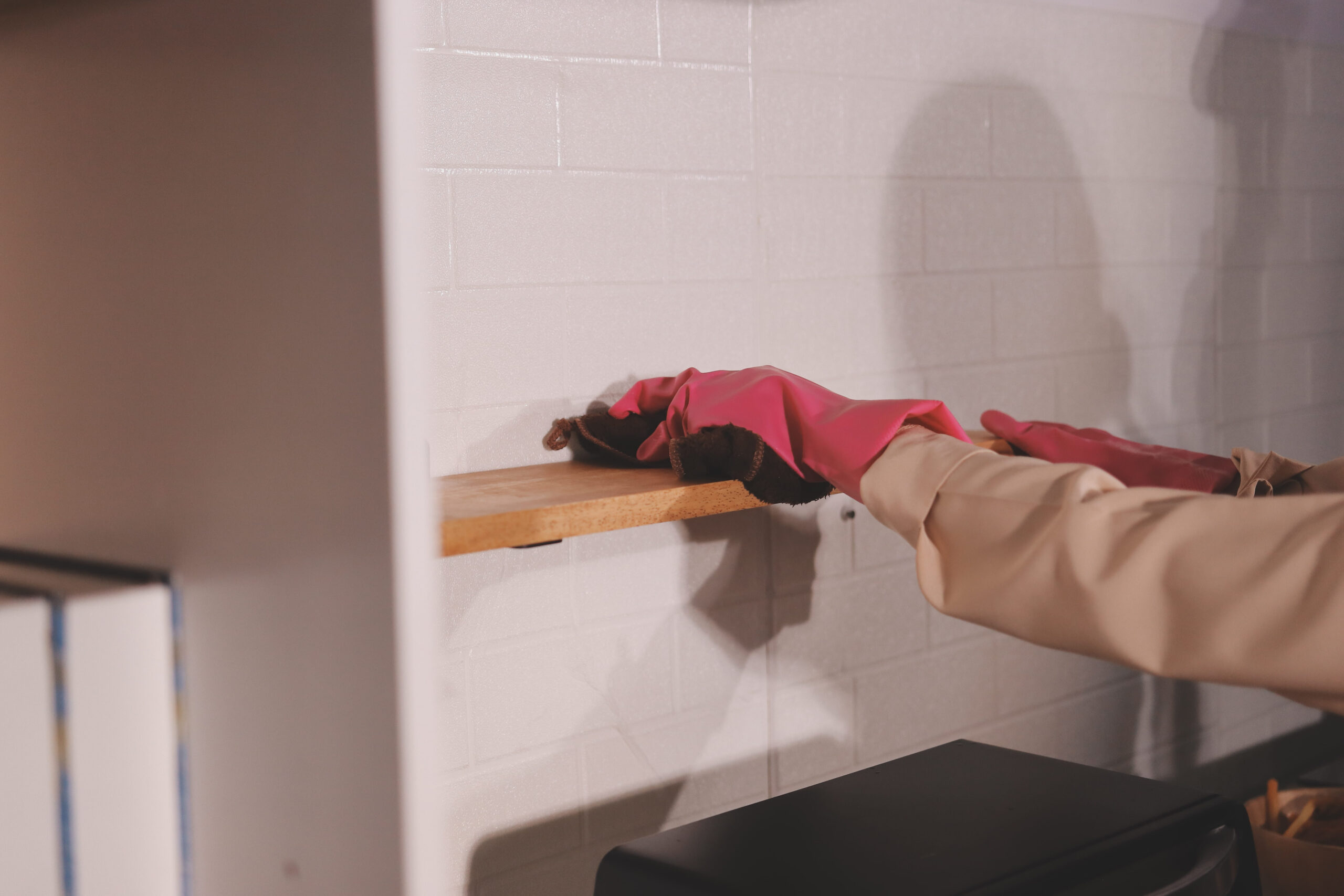
Cleaning office walls can often get tricky and be a tedious task. Fingerprints, spills, and other messes build up over time. Dirt and grime are also more visible on lighter paint shades, which may mean they need to be cleaned more often. Regular maintenance and professional commercial cleaning services help keep surfaces looking their best.
But you must understand the process behind getting your office walls cleaned, which we are going to discuss in this blog.
Level 1 Clean
Dust your walls from top to bottom. Vacuum up any dust and debris that collects near the baseboards. Knock down any cobwebs you have on any walls.
For a basic wall wash:
Does Your Office Need Its Walls Cleaned?
- Fill up a bucket with warm water and a few squirts of dish soap.
- Wet a microfiber cloth or sponge with soap and water.
- Ring out the excess water and wipe the walls in a circular motion.
- Focus on high-touch areas like doorways and around switch plates.
- Rinse the walls with a clean, damp cloth.
- Dry the walls with another cloth.
Always test-clean a spot on your wall that is out of sight before cleaning to make sure the paint won’t get damaged. Test in an inconspicuous area, like at the bottom along the baseboard in the corner of the room. Dip your sponge in the mixture, use the soft yellow side to clean, and dry with a microfiber cloth. If there is no water stain or any kind of visual mark on the wall, wash the entire wall.
Matte and flat paint finishes are harder to clean, and the paint job can be damaged more easily. Finishes like eggshell, satin, semi-gloss, and gloss are easier to clean. Typically, semi-gloss or glossy painted walls don’t get messed up easily. If you have eggshell, satin, or flat latex-type paint on the wall, be really careful when cleaning because it has a bad tendency to rub off.
To wash the whole wall, grab a sponge mop, dip it in the bucket solution, and wring it out. Make sure it is not soaking wet or dripping water everywhere. Get it damp enough to get the job done and work top to bottom.
After washing, make sure to dry the walls. Use a flathead mop with a microfiber pad or attach a microfiber cloth to dry the wall.
Stain Removal and Tough Dirt
For tough dirt and smudges, use professional cleaning products such as a damp melamine sponge first. On textured walls, try a soft-bristled brush. For greasy fingerprints or marks on the wall, use a magic eraser, then dry it with a microfiber cloth.
Level 2 Cleaning
Level 2 cleaning is for removing heavy buildup like tar and nicotine from walls. Use TSP powder, a concentrated chemical cleaning agent found in the cleaning section.
When using TSP powder:
- Wear safety glasses to protect eyes from severe burning.
- Wear long sleeves and safety gloves to avoid skin irritation similar to poison ivy.
Mix half a cup of TSP powder for every two gallons of warm water. Apply the mixture using a sponge mop or a paint roller. A paint roller makes the process a lot easier, especially when doing ceilings.
Scrub the walls down real well, then grab a flat-head microfiber mop to dry up any excess water. After cleaning, repaint the walls. Painting directly over heavy residue causes bleeding through the new coat, resulting in visible marks and lingering odors. TSP powder is the standard solution used by professional painters to prep surfaces before painting.
Clean up messes as they happen to keep walls looking their best. Regularly dust baseboards and wipe off fingerprints. Give them a deeper clean seasonally or when buildup becomes noticeable to restore walls back to their original beauty.
FAQ
How do you identify flat or matte paint finishes?
If your walls don’t have any shine to them, you likely have a matte or flat finish.
How do you prepare a TSP powder solution?
For every two gallons of warm water, add half a cup of TSP powder and mix.
Why clean walls with TSP powder before painting?
You can’t paint with the tar and nicotine still on the wall cause it’s gonna bleed through; you’re gonna see it; it’s gonna look awful, and your house is still gonna stink.
What tools work best for drying walls after washing?
The best tool for drying walls after washing is a microfiber pad. This is just like a flathead mop. If you don’t have a microfiber pad, you can take your microfiber cloth and attach it.